
The origins of Africa Day are closely tied to the liberation movements of the 20th century. It all began in 1958.
Congress of African States
took place for the first time, a momentous assembly where delegates from numerous nations throughout the region united with unshakeable resolve: to liberate themselves completely from colonial domination.
During this pioneering conference,
African leaders suggested establishing an “African Freedom Day.”
, establishing the groundwork for what would eventually evolve into a continental custom. These gatherings persisted annually, fortifying relationships over time.
African nations
while unifying a shared perspective on autonomy and progress.
The peak moment was when
25 May 1963
, when the
Organisation of African Unity
The Organisation of African Unity (OAU), which later evolved into the present-day African Union, came into existence on this day. It has been commemorated historically as Africa Day, representing both the continent’s political cohesion and its collective dedication to advancing socially, economically, and culturally.
Africa: A Continent of Accomplishments and Changes
The Africa of the 21st century
offers a significantly distinct view compared to those of earlier decades
Economic changes have been notably striking, with continuous expansion that has propelled multiple African countries into the ranks of the quickest growing economies globally. Nations like Ghana, Rwanda, Ethiopia, and Côte d’Ivoire have witnessed considerable development.
expansion speeds surpassing the worldwide mean
, showcasing the continent’s economic promise.
Participation of women in the economy
stands out as one of the most notable advancements in recent years. Women across Africa have assumed prominent positions in fostering enterprise growth, ranging from modest local startups to high-ranking officials at major firms. For instance, in Rwanda, over 60% of parliament members are women, showcasing an international benchmark for female political participation.
In the area of
gender equality
Across Africa, significant progress has been made. Women from this continent are now taking up key roles in areas like politics, science, technology, and cultural affairs. Notable figures include Ellen Johnson Sirleaf, who was the first woman President of Liberia and a Nobel Peace Prize laureate, and Ngozi Okonjo-Iweala, currently serving as the Director-General of the World Trade Organization. These individuals highlight the increasing influence of African women on both global and local scenes.
The
decolonisation process
Significantly backed by the United Nations, this landmark event led to the successful attainment of independence across all African countries. This pivotal accomplishment signified more than just political freedom; it also paved the way for each nation to forge its own path and harness its natural and human assets based on their individual aspirations and requirements.
Movie theaters offer a glimpse into the African spirit.
The seventh art has functioned as an essential cultural link, bringing African experiences to global audiences. These film productions have showcased the continent’s stunning landscapes along with its intricate social and historical contexts.
Memories of Africa’ (1985)
Stays as an iconic cinematic piece that takes audiences to theKenyan setting via Karen Blixen’s journey. This financially successful adaptation not only displayed the
majesty of African landscapes
, yet simultaneously delved into broad topics like love, loss, and the quest for identity across far-off places.
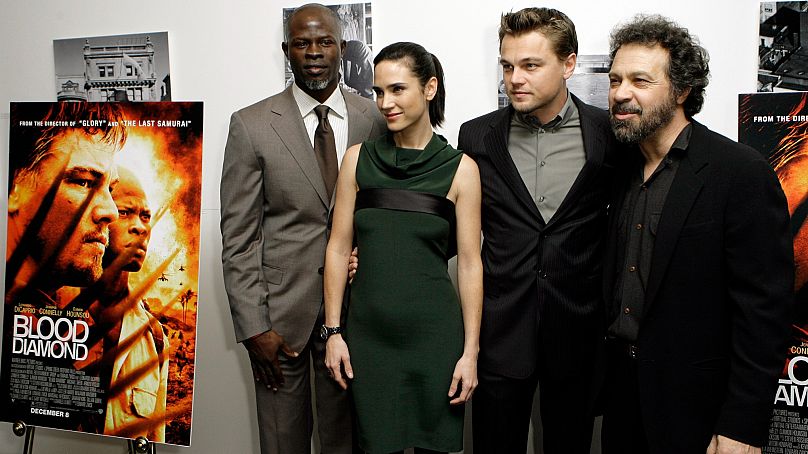
Blood Diamonds’ (2006)
The movie tackled the upheavals that tore through Sierra Leone throughout the ’90s with unflinching realism and sincerity. It unveiled to audiences worldwide the
grave outcomes of the civil war
including the situation of child soldiers and the misuse of natural assets, thereby greatly enhancing global consciousness around these topics.
Invictus’ (2009)
Cemented as one of the most inspirational chapters in contemporary South African history, the movie
brilliantly retold the story of how Nelson Mandela leveraged the 1995 Rugby World Cup
As a means for national healing, showcasing the ability of sports to bring together a community fractured by years of apartheid.
Other notable productions include
‘Hotel Rwanda
‘(2004), which sensitively documented the Rwandan genocide,’
‘The Final Monarch of Scotland’
‘(2006), which depicted Idi Amin’s rule in Uganda, and
‘Beasts of No Nation
‘(2015), delving into the effects of civil conflict on African youth. More recently,’
‘Black Panther
‘(2018) offered a forward-looking and optimistic portrayal of Africa, which resonated with millions globally.’
Honouring Africa in the digital era
Africa Day celebrations have adapted over time, embracing modern methods of communication and increased public engagement. Each year, African nations host various events including cultural festivities, scholarly symposiums, artistic showcases, and culinary fairs that highlight the richness of the continent’s heritage.
Participation by citizens via social media has made this celebration more democratic, enabling individuals from across the globe to unite under hashtags like
#AfricaDay
To share experiences, insights, and thoughts about the continent. This online connection has enabled cultural exchanges and helped dispel stereotypes, offering a richer and more detailed picture of today’s African realities.